Chairs
Why the Right Chair Matters More Than You Think
Think about how much of a camping trip or garden afternoon is spent sitting. Breakfast, cooking, chatting, reading, watching the sun go down. A poor chair turns all of that into a low-grade annoyance, and you can’t fix it once you’re a long drive from home.
When you shop chairs for sale, comfort is the obvious thing to check. Just as important are stability, durability and whether the chair suits the space where you’ll use it. Getting these right means you stop noticing the chair, which is the best compliment a chair can get.
Comfort Is Mostly About Support
People often judge a chair by how soft it feels in the first minute. That’s a poor guide. What matters is whether it supports your back, thighs and arms over an hour or two. A chair that feels plush and then sags is worse than a firmer one that holds its shape.
Pay attention to seat height and back angle. A seat that’s too low makes getting up a chore, and a back that’s too upright gets tiring. A slightly reclined, supportive back usually works best for relaxing.
Stability Is a Safety Feature
A wobbly chair is more than annoying. Folding chairs rely on a frame that locks or braces when you sit, and cheap joints can loosen over time. Wider leg stances and solid cross-bracing help the chair stay steady on grass, gravel and uneven ground.
Look for a frame that doesn’t flex much when you shift your weight. If a chair feels shaky in the shop or in the first few uses, it won’t improve with age.
Types of Chairs for Sale
Different chairs suit different jobs. Here’s a plain breakdown of the main types, so you can match the chair to how you actually spend your time outdoors.
You may find that you want more than one type. Many of our customers keep a lightweight chair for travel and a more comfortable one for the garden or a long camp stay.
Folding Camping Chairs
These are the classic choice. They fold flat or into a slim shape, slot into a car boot easily and open in seconds. They work for camping, picnics, sports days and festivals.
Most come with a carry bag, and many have a cup holder or a small side pocket. If you want one chair that does a bit of everything, this is where to begin.
Who They Suit
Campers, festival-goers, parents at the touchline and anyone who needs a seat that travels well. They’re also handy to keep in the car for unplanned stops.
If you’ll carry the chair any distance, check the folded size and weight before you buy, because these two numbers decide whether it’s a joy or a hassle.
What to Look For
A sturdy frame, strong fabric and smooth folding action. Check that the seat fabric is stitched or reinforced where it meets the frame, since that’s where wear shows first.
Arm rests make a big difference to comfort for longer sitting. If you like to lean back and relax, look for a model with a slightly reclined back.
Reclining and Lounger-Style Chairs
If you plan to spend hours sitting, a reclining chair is worth the extra bulk. The back tilts to a more relaxed angle, and some models adjust to several positions, so you can sit up to eat and lean back to read.
They take up more space than a basic folding chair, but the comfort is on another level. They suit long camping stays, garden use and anyone with a sore back.
Best Use Cases
Glamping, family garden afternoons, caravan stays and lazy summer holidays. They work well beside a canvas tent, where you have room to spread out and settle in.
Because they’re larger, they’re better for pitches you drive up to than for anywhere you have to carry gear a long way.
Folding Stools and Compact Seats
Stools are the minimalist option. They’re tiny, light and ideal when space is tight. They suit fishing, hiking breaks, quick stops and anyone who wants a seat that disappears into a bag.
The trade-off is support. Without a backrest, a stool is best for shorter sits, not a full evening by the fire.
Outdoor and Garden Chairs
For a patio or garden, you want a chair that stays out in the weather and looks good doing it. These tend to be sturdier than camping chairs, with weather-resistant frames and seats that dry quickly.
They’re built for regular use rather than packing into a car, so comfort and durability take priority over how small they fold.
How to Choose the Right Chair
Choosing from the chairs for sale on this page doesn’t need to be complicated. A few honest questions point you to the right one.
Work through the sections below before you order. It takes a couple of minutes and can save you from a chair that sits unused in the garage.
Start With Where You’ll Use It
A chair for a festival field is not the same as a chair for a patio. If you’re carrying it, weight and folded size matter most. If it lives in one spot, comfort and durability come first.
Be honest about your main use. A chair that tries to do everything often does none of it brilliantly, so pick for the job you’ll do most.
Check the Frame Material
Frames are usually steel or aluminium. Each has a place, and neither is simply better.
Steel Frames
Steel is strong and often more affordable. It handles heavy use well and feels solid under you. The downside is weight, so a steel chair is heavier to carry.
Steel suits chairs that stay near the car or tent, or anyone who prioritizes strength and budget over portability.
Aluminium Frames
Aluminium is lighter and naturally resists rust, which makes it a good match for wet climates and coastal trips. It’s easier to carry across a campsite or festival field.
It can cost more than steel, but if you carry your chair regularly, the lighter weight is a real benefit.
A Note on Corrosion
Whatever the frame, keep it dry. A wet chair packed into a bag is how rust starts on steel and how fabric develops mildew. Wipe it down after a damp trip and let it air out before storing.
Look at the Fabric
The seat and back fabric takes the most punishment. Heavier, tightly woven polyester is a common choice because it dries fast and resists stretching. Mesh panels add airflow on hot days.
Check how the fabric attaches to the frame. Reinforced stitching and solid fixings last far longer than thin attachment points that tear under weight.
Think About Weight Capacity
Every chair has a maximum load. Choose one comfortably above your own weight, not right at the limit. A chair working at its limit wears faster and feels less stable.
If you’re buying for a mixed group, check capacity for each person. Higher-capacity chairs usually have thicker frames and stronger joints, which also makes them feel more secure for everyone.
Don’t Ignore Folded Size
This is the detail people forget until their boot is full. Check how the chair folds, how long it is and whether it comes with a bag. If you’re buying several, imagine them stacked in your car with a tent, bedding and food.
A chair you can’t fit in the car won’t come on the trip. Compact folding is worth paying for if space is tight.
Chairs and Canvas Tents: A Good Pairing
If you camp in a canvas tent, a good chair makes the experience complete. Canvas tents give you generous space, shade and shelter, which is exactly where a comfortable chair earns its place.
Putting a couple of chairs under the front of your tent or just inside the door gives you somewhere to sit out of the sun or rain. It turns the tent from a place to sleep into a place to live.
Chairs Inside the Tent
In a roomy cottage or bell tent, you can fit a couple of chairs for rainy afternoons, card games or morning coffee. Choose compact, low-profile folding chairs so you keep floor space free for beds and bags.
Avoid chairs with sharp or rough feet on a sewn-in groundsheet. Check the leg ends, and place a mat or rug underneath if needed.
Chairs Outside the Tent
Outside, a sturdier chair with arms and a supportive back is perfect for evenings by the fire or the stove. Set them on firm, level ground and keep a sensible distance from open flames and guy ropes.
A small side table next to your chairs finishes the setup. It gives you somewhere for drinks, books and snacks without balancing them on your knee.
Where People Use Their Chairs
Chairs for sale aren’t only for campers. People buy them for all sorts of places, and the best chair for each is a little different.
Here are the common uses, which may help you picture what you need.
Camping and Caravan Trips
This is the classic use. A comfortable chair at the pitch is where you’ll spend most of your waking hours, so it deserves some thought. Folding camping chairs with arms and cup holders are the favorite choice here.
Most campers end up bringing one chair per person, plus a spare for visitors. A couple of extra folding chairs are always handy.
Festivals and Outdoor Events
At festivals, a lightweight folding chair gives you a base in a busy field. You can sit back, rest your legs and keep your spot. Look for something light and compact that you can carry in comfortably.
For events like markets or fairs, a more robust chair helps if you’ll be sitting for long stretches.
Garden, Patio and Balcony
A good outdoor chair makes any garden feel like a retreat. Choose something weather-resistant and comfortable enough to sit in for an afternoon, and it’ll get more use than almost anything else in the garden.
For small balconies, compact folding chairs are ideal because you can fold them away when you need the space.
Sports, Fishing and Day Trips
Touchlines, riverbanks and beaches all call for a portable chair. Lightweight, quick-folding models and stools are best because you’ll carry them a distance.
For fishing and long waits, back support matters more than you’d think. A chair with a supportive back keeps you comfortable and alert.
How to Look After Your Chair
A good chair lasts for years if you give it a little attention. None of this takes long, and it protects your investment.
Most chair failures come from moisture, overloading and being stored badly, and all three are easy to avoid.
Keep It Dry and Clean
After a wet or muddy trip, wipe the frame and fabric with a damp cloth and let everything dry fully before folding. Mild soapy water is fine for most fabric, and a soft brush helps with dried mud.
Don’t pack a damp chair into its bag. Moisture trapped against steel causes rust, and trapped against fabric it causes mildew and smells.
Check the Joints and Fixings
Every so often, open the chair and look over the hinges, rivets and fabric attachment points. Loose or bent parts are easier to deal with early than after a failure under your weight.
A drop of light lubricant on moving joints keeps folding smooth. Wipe off the excess so it doesn’t stain the fabric.
Store It Properly
Keep your chairs in a dry place away from direct sun for long periods, since UV can weaken fabric over time. A garage shelf, a cupboard or the loft all work, provided they aren’t damp.
If the chair came with a bag, use it. It keeps the fabric clean and protects other gear from the frame.
Frequently Asked Questions
Here are the questions people ask most when they buy a chair. If you have another, get in touch and we’ll help.
Q1. What’s the best type of chair for camping?
For most campers, a folding chair with arms, a supportive back and a carry bag is the best all-rounder. If you stay for several days and have room in the car, a reclining chair is more comfortable.
Think about how far you’ll carry it and how long you’ll sit. Those two answers narrow the choice quickly.
Q2. Steel or aluminium frame?
Steel is strong and good value but heavier. Aluminium is lighter and resists rust, which suits carrying and damp conditions. If you rarely move your chair far, steel is fine. If you carry it often, aluminium is worth it.
Q3. How much weight can a folding chair hold?
It varies by model, so check the capacity listed on each product page. Choose a chair rated comfortably above your weight, which gives you a safety margin and a more stable feel.
Q4. Can I leave a folding chair outside?
Occasional rain won’t ruin a decent chair, but long-term exposure shortens its life. Sun fades fabric, and constant damp attacks frames. If you want a chair to stay outside all year, choose one designed for garden use.
Q5. How do I clean a camping chair?
Wipe the frame with a damp cloth and clean the fabric with mild soapy water and a soft brush. Rinse, then let it dry fully before folding. Avoid harsh chemicals, which can damage the fabric.
Q6. Do these chairs work with canvas tents?
Yes. Compact folding chairs fit well inside a roomy canvas tent, and sturdier ones sit nicely outside. Just keep sharp feet off the groundsheet and keep chairs clear of guy ropes.
Q7. How do I choose a chair for older adults or anyone with a bad back?
Look for higher seats that are easier to get out of, firm back support and sturdy arm rests. Avoid very low chairs, which make standing up harder. A slightly reclined back is often more comfortable.
Ready to Choose Your Chair?
Browse the chairs for sale above, think about where and how you’ll sit, and pick the one that fits. A good chair is a small purchase that improves almost every outdoor day you spend.
If you’re setting up for a trip, pair your chair with a canvas tent from our range and you’ll have a comfortable base from the first evening. Take your time, choose well, and enjoy the view from a seat that’s actually comfortable.
Showing all 6 results
-

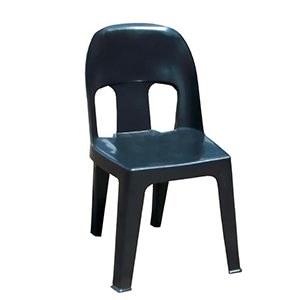
Plastic Chairs – BLack
R89.00 -
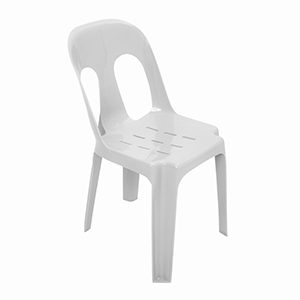
Plastic Chairs – White
R89.00 -
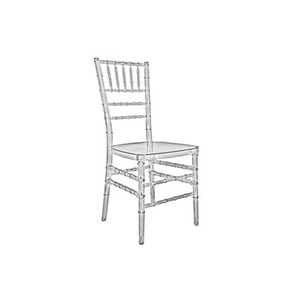
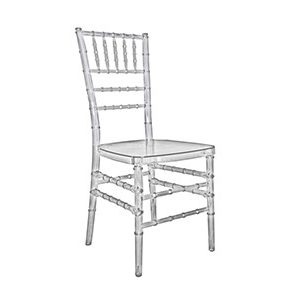
Tiffany Chairs – Clear Resin
R699.00 -
Tiffany Chairs – Silver
R399.00 -
Tiffany Chairs – White
R299.00 -
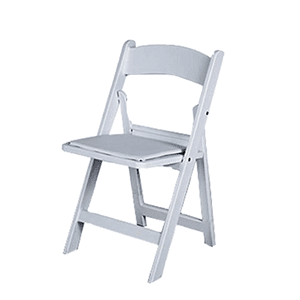
Wimbledon Chairs
R550.00