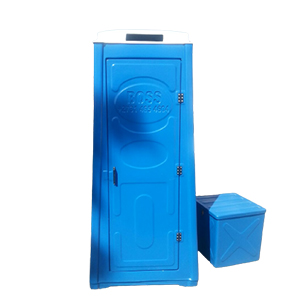
Portable Toilets
Portable Toilets for Sale: A Buyer’s Guide
Buying a portable toilet sounds simple until you see how many styles exist. Some use a flush tank and a sealed waste tank, some use a bag system, and some fold flat to the size of a laptop. The right choice depends on where you’ll use it and how often.
This guide walks through every type we sell, explains the features that matter and answers the questions we hear most. Read it through once and you’ll know exactly what to put in your basket.
Why People Buy a Portable Toilet
The most common reason is comfort on the road. Campers, caravan owners and van travelers want a private, hygienic option that doesn’t depend on site facilities. Having your own toilet means you can camp in wilder spots and stay longer without planning every trip around a toilet block.
Others buy for practical reasons at home or work. A portable toilet is a useful backup during plumbing repairs, power cuts or building work, and many families keep one for long journeys with young children. It’s a small purchase that solves a surprisingly large number of problems.
What Makes a Good Portable Toilet
A good portable toilet is stable, leak-proof and easy to empty. It should be comfortable to sit on, simple to clean and sealed well enough that odours stay inside the waste tank. Those basics matter far more than any extra feature.
Look at build quality as well. Thick, durable plastic, a firm seal on the waste tank and a secure latch make a big difference over years of use. A toilet that wobbles, drips or is awkward to carry will quickly stop being a toilet you want to use.
Types of Portable Toilets We Sell
Our portable toilets for sale fall into four main groups. Each one suits a different kind of user, so it helps to understand the differences before you choose.
Below is a plain-English guide to each type, including who it suits best and what to expect day to day.
Flushing Cassette Portable Toilets
A cassette portable toilet has two sections. The upper part holds a small tank of flush water and the seat, and the lower part holds the waste tank. You flush with a push button or a small pump, and the waste drops into the sealed lower tank until you’re ready to empty it.
These are the closest thing to a home toilet you can take on the road. They suit caravans, campervans, boats and longer camping trips where comfort and hygiene matter most. Most people who try a flushing portable toilet never go back to anything simpler.
Who Flushing Portable Toilets Suit
Caravan and motorhome owners, families, boaters and anyone staying away for several nights will get the most from a flushing model. It handles regular use well and keeps the interior of your vehicle or tent smelling fresh.
It’s also a good choice for older users, because the seat height is usually closer to a standard toilet. That makes sitting and standing much easier than with a low camping bucket.
Using Chemical Additives
Flushing portable toilets work best with a dedicated waste tank treatment, which breaks down waste and controls odour. A small measure goes into the lower tank after each empty.
Use treatments made for portable toilets only. Household cleaners can damage the seals and some plastics, and they may not control odour as well.
Bucket-Style Camping Toilets
A bucket-style toilet is the simplest design: a sturdy seat on a strong frame, with a removable bucket or bag liner underneath. There’s no flush and no tank, which makes it light, cheap to run and quick to set up.
These toilets suit basic camping, festivals, fishing trips and emergency kits. They take almost no space and need very little care beyond emptying and rinsing after use.
Using Bag Liners
Most bucket-style toilets work with disposable waste bags, often with a gelling powder that locks in liquid and reduces smell. After use, you seal the bag and dispose of it according to local rules.
Keep spare bags in the same carry bag as the toilet so you never run short. It’s a small habit that makes bucket-style toilets very convenient.
Comfort and Stability
Choose a model with a wide seat and a firm, non-slip base. The best bucket-style toilets feel steady even on uneven ground.
Check the weight limit before you buy, especially if the toilet will be used by adults regularly. A higher limit also tends to mean a stronger frame.
Folding Portable Toilets
Folding toilets collapse flat for storage and open into a simple stool-style frame in seconds. They’re designed for travel, hiking stops, car boots and anywhere space is tight.
They pair with disposable bags, so there’s nothing to clean or flush. For roadside breaks, long drives and quick trips outdoors, they’re hard to beat for convenience.
Best Uses for a Folding Toilet
A folding toilet is ideal as a spare in the car, a back-up in a camping kit or a simple option for day trips with children. It stays out of the way until you need it.
It’s less suited to long stays, because each use needs a fresh bag. For multi-day camping, a flushing or bucket-style model is usually more practical.
Care and Cleaning
Wipe the frame and seat with a damp cloth after use and let it dry before folding. This keeps the hinges moving smoothly and the seat clean.
Store it in its carry bag, away from damp. A dry, folded toilet will last for years.
Portable Toilets for Events and Worksites
Larger portable toilets are built for heavier use. They have bigger tanks, stronger frames and often a lockable door or enclosure, which makes them suitable for outdoor events, garden parties, farm shops and temporary worksites.
For group use, tank size matters most. A bigger waste tank means less frequent emptying, which keeps the toilet clean and ready between uses.
Planning for Group Use
As a rough guide, one toilet will serve a small gathering comfortably for a day, but more people means more toilets. If you expect a large group, plan for several units rather than relying on one.
Keep supplies close by: toilet paper, hand sanitizer, spare bags or tank treatment, and a bin. A tidy setup encourages guests to keep it clean.
Privacy Options
If your portable toilet is for outdoor use, consider a pop-up privacy tent. It folds small, goes up in moments and gives users the privacy of a proper cubicle.
It also protects the toilet from wind and light rain, which makes the whole arrangement far more pleasant.
How to Choose the Right Portable Toilet
Choosing from our portable toilets for sale is easier when you ask yourself a few straightforward questions. Be honest about how you’ll use it and who will use it.
The points below cover the features that make the biggest difference. Work through them and the right model will usually stand out.
How Often Will You Use It?
If you only need a toilet for the occasional road trip, a folding or bucket-style model is simple and affordable. If you camp or travel often, a flushing cassette toilet pays off in comfort and cleanliness over time.
Think about the longest stay you’re likely to have, not the shortest. It’s much better to own a toilet that handles a long weekend than one that is only comfortable for an afternoon.
How Many People Will Use It?
A solo traveler or couple will manage well with a standard-size tank. A family of four or a group sharing one toilet fills a tank much faster and needs a larger capacity or more frequent emptying.
If several people are involved, think about who will empty it as well. A lighter, more manageable tank is more likely to be emptied properly than one that’s too heavy to carry comfortably.
What Tank Capacity Do You Need?
Flushing portable toilets typically have a waste tank somewhere between around 10 and 23 liters, and a separate flush tank of a similar size. A larger waste tank gives you more days between empties, but it’s heavier when full.
For most couples, a mid-size tank is a good balance. For families or longer stays, a larger tank saves you trips to the disposal point.
Seat Height and Comfort
Seat height affects comfort more than people expect. Lower seats are lighter and more compact, while taller seats are easier on the knees and back.
If the toilet will be used by older family members or anyone with mobility concerns, choose a taller model with a sturdy frame and secure seat.
Weight Limit and Stability
Always check the stated maximum user weight. A model with a higher limit is generally built with a stronger frame and a wider, more stable base.
Stability matters most on uneven ground, such as a campsite field or a van floor with a slight slope. A toilet that feels solid gives you confidence every time you use it.
Check the Seal and Latch
The seal between the upper and lower sections should be firm and leak-resistant. A good latch keeps the two halves locked together while you carry the toilet.
If you plan to transport the toilet regularly, a reliable latch and handle make emptying much cleaner and less stressful.
How Easy Is It to Empty and Clean?
Emptying is the part nobody enjoys, so it’s worth choosing a design that makes it as easy as possible. Look for a rotating pour spout, a comfortable carry handle and a smooth interior that rinses clean.
A well-designed toilet can be emptied quickly and without mess. A poorly designed one can put you off using it at all, so this is not a feature to skip.
Where Can You Use a Portable Toilet?
Portable toilets are useful in far more places than most people expect. They fit into everyday life as easily as they do into camping trips.
Here are the most common situations where our customers put them to work.
Camping and Caravanning
For campers, a portable toilet means independence. You can pitch where you like, avoid long walks at night and keep a clean, private option inside your tent, caravan or awning.
Caravan and campervan owners often keep one as their main toilet, using the site’s disposal point to empty the waste tank. It’s a small system that makes longer trips far more comfortable.
Road Trips and Travel
Long drives with children are much easier with a toilet in the boot. Instead of hurrying to the next service area, you can stop somewhere safe and handle things quickly.
A folding or compact bucket-style toilet takes almost no space. It’s the kind of item you hope you won’t need, and are very glad to have when you do.
Events, Gardens and Worksites
Outdoor weddings, village fairs, garden parties and market stalls often have limited facilities. A portable toilet gives guests and staff a convenient, private option without hiring a large unit.
On worksites and allotments, it provides a simple, practical solution for people who spend long hours away from the house.
Home Backup and Mobility Support
A portable toilet is a sensible item for household emergencies, such as a plumbing repair or a power cut. Keeping one in a cupboard means you’re ready without any stress.
Some models also work well as a bedside option for people with limited mobility, giving them a safe, easy-to-reach toilet at night. Choose a sturdy frame with armrests or a taller seat if this is your main use.
How to Use and Maintain a Portable Toilet
Portable toilets are simple, but a few good habits keep them fresh and trouble-free. Most problems with odour or leaks come from skipping basic care.
Follow the steps below and your toilet will stay clean, quiet and ready for use.
Setting It Up for the First Time
Rinse the waste tank with clean water, then add the recommended amount of tank treatment and a little water. Fill the flush tank with clean water, close the valve and test the flush before your first trip.
Setting it up at home first lets you check that everything works. It also means you won’t be learning the system in the dark at a campsite.
Emptying the Waste Tank
Empty the waste tank only at proper disposal points, such as a campsite chemical disposal point or a suitable toilet facility. Never pour waste onto the ground or into drains meant for rainwater.
Carry the tank carefully, pour with the spout facing down and rinse it before refitting. Add fresh treatment and a little water, and the toilet is ready again.
Cleaning and Odour Control
Clean the bowl and seat with a soft cloth and a mild cleaner made for toilets. Avoid harsh chemicals, abrasive pads or anything that might scratch the plastic or damage the seals.
For odour control, keep the tank treated, empty it regularly and let the toilet air out between trips. Good ventilation and regular emptying are the best defenses against smell.
Storing It Between Trips
Empty, rinse and dry the toilet completely before storage. Leave the valve slightly open and the lid ajar so air can circulate.
Store it in a dry, cool place away from direct sunlight. Heat and damp can age plastics and seals, so a cupboard or garage shelf is better than a hot loft.
Why Buy Portable Toilets From Us
We want your purchase to be simple and your toilet to do exactly what you need. That starts with clear product pages and ends with support if you have questions.
Here’s what you can count on when you shop with us.
Clear Product Information
Every product page explains the toilet’s type, size, tank capacity, weight limit and what’s included in the box. We describe each toilet as it is, so you can compare models fairly and pick the right one.
If you have a question that the product page doesn’t answer, ask us. We’d rather help you choose well than have you end up with a toilet that doesn’t suit you.
Choice for Every Need
From compact folding toilets to full flushing models, our portable toilets for sale cover the main ways people use them. You don’t need to visit several shops to find the right type.
Whether you’re kitting out a caravan, preparing for a festival or building an emergency kit, you’ll find a suitable option in one place.
Help Choosing
If you’re unsure which toilet fits your plans, get in touch with a few details about how you’ll use it and how many people will share it. We’ll suggest a sensible option and explain why.
A short conversation can save you from buying the wrong size or style, and that is always worth doing.
Frequently Asked Questions
These are the questions customers ask most often before they buy a portable toilet. If yours isn’t covered, just get in touch.
Q1. What is the best portable toilet for camping?
For basic camping, a sturdy bucket-style toilet with bag liners is light, simple and easy to set up. For longer trips or camping with family, a flushing cassette toilet is more comfortable and hygienic.
The best choice depends on trip length and group size. If you camp often, a flushing model is usually worth the extra investment.
Q2. How do portable toilets work?
A flushing portable toilet has a flush tank at the top and a sealed waste tank below. When you flush, waste drops into the lower tank, where treatment liquid controls odour until you empty it.
Bucket-style and folding toilets are even simpler. They use a bag or small bucket under the seat, which you empty or dispose of after use.
Q3. Do portable toilets smell?
A well-maintained portable toilet should not smell strongly. Using the right tank treatment, emptying regularly and keeping the seals clean makes a big difference.
Most odour problems come from leaving waste too long or skipping the treatment. Regular care keeps everything fresh.
Q4. How often do I need to empty a portable toilet?
It depends on tank size and how many people use it. A couple using a mid-size tank may need to empty it every few days, while a family might empty it daily.
Most flushing models have a level indicator, so you can see when the tank is getting full. Empty before it’s completely full, as full tanks are heavier and messier.
Q5. Can adults use portable toilets comfortably?
Yes. Many models are designed for adult use, with sturdy frames, higher weight limits and seat heights close to a standard toilet. Check the product specifications to match the toilet to the user.
Taller seats and wider bases are the most comfortable, especially for older users or anyone who finds low seats difficult.
Q6. Are portable toilets suitable for kids?
Yes, and they’re particularly handy on road trips and camping holidays. Children often find a familiar-style toilet less intimidating than an unfamiliar public facility.
Choose a stable model and a seat size that works for your child’s age. A smaller seat insert is a useful addition for younger children.
Q7. Where can I empty a portable toilet?
Use proper disposal points, such as a campsite chemical disposal point, a motorhome service area or a suitable toilet facility. These are designed to handle waste safely.
Never empty a portable toilet into a stream, a storm drain or the ground. Always follow local rules and site guidance.
Ready to Buy Your Portable Toilet?
Browse our portable toilets for sale above, compare the types and choose the one that matches how and where you’ll use it. A good portable toilet is a small purchase that makes every trip more comfortable.
If you need help choosing, message us with your plans and we’ll point you to the right model. Add your toilet to the cart and make your next trip easier from the first night.
Showing all 2 results
-

Portable Toilet – Flushable
R12,500.00 -
Portable Toilet- Non Flush
R7,999.00