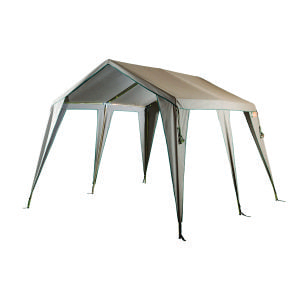
Gazebos
Buy Gazebo Tents Online: What Makes a Good Gazebo?
A gazebo tent is one of the most useful outdoor purchases you can make. It gives you a roof and, in many designs, sidewalls, without the commitment of building a permanent structure. You can put it up for a weekend, a season or an event, and take it down when you no longer need it.
Not every gazebo is equally good, though. The difference usually comes down to the frame, the roof fabric, the stability in wind and how easy it is to put up. Understanding these points before you buy helps you pick a gazebo that works properly rather than one that disappoints after a few uses.
A Frame You Can Trust
The frame is the backbone of any gazebo tent. A sturdy frame keeps the roof tight, resists wind and lasts through repeated setup and takedown. Steel frames are strong and suit heavy-duty or semi-permanent use, while aluminium frames are lighter and easier to move around.
Look at the thickness of the legs, the strength of the joints and how the frame locks into place. A frame that wobbles in the shop will wobble in a breeze. Good joints and solid leg sections are worth paying attention to, because they decide how stable the gazebo feels once it is up.
A Roof That Handles the Weather
The roof does most of the work. It needs to keep sun off your head, shed rain and stay taut so water doesn’t pool. A well-cut roof panel with reinforced seams will cope with changing weather far better than thin, loosely fitted fabric.
Many gazebo tents have vented or tiered roofs. A vent lets warm air escape and lets gusts pass through instead of lifting the whole canopy. If you plan to leave your gazebo up for long stretches, a vented design is a smart choice.
Sidewalls for Shelter and Privacy
Removable sidewalls make a gazebo much more versatile. In warm weather you can leave them off for airflow. When the wind picks up or rain blows sideways, you can zip or clip them on and have a properly sheltered space.
Sidewalls also add privacy, which matters for garden parties, market stalls and outdoor dining. Some come with windows or mesh panels, which let light and air in while keeping insects out.
Easy Setup and Takedown
A gazebo that takes hours to assemble gets used less often. Look for clear fittings, well-marked poles and a design that one or two people can handle. The easier the setup, the more likely you’ll actually use the gazebo for short events and spontaneous plans.
Pop-up designs are quick to open and ideal if you’ll be moving the gazebo regularly. Frame-and-canopy designs take longer but often feel sturdier and more permanent.
Gazebo Tents for Sale by Type
Gazebo tents come in a few main types, and each suits a different purpose. Knowing which type fits your plans narrows the choice quickly and stops you from paying for features you won’t use.
Here is a simple guide to the main styles you’ll find in our range of gazebo tents for sale.
Garden Gazebo Tents
Garden gazebos create a shaded seating or dining area at home. They sit well on a lawn, patio or deck, and they let you enjoy the garden in sun or light rain. They are popular for family barbecues, birthday parties and quiet afternoons with a book.
Because they stay in one place for long periods, garden gazebos benefit from a strong frame and a durable roof. Many people also like sidewalls, so they can enjoy the space on cooler evenings.
Who Garden Gazebos Suit
Garden gazebos suit families, hosts and anyone who wants an outdoor room without building work. They are especially useful if your garden has little natural shade.
They also work well for hot tubs, outdoor kitchens and play areas. A covered spot makes the space usable on days that would otherwise be too sunny or too wet.
Setting One Up at Home
Choose a flat, level spot with enough clearance around it. Check for overhead branches and cables, and leave room to walk around the frame while you assemble it.
If your garden is exposed, pick a spot with some wind protection, such as near a fence or hedge. It makes the gazebo feel calmer and reduces strain on the frame.
Event and Market Gazebo Tents
Event gazebos are built for frequent setup, travel and use in public spaces. They suit market stalls, craft fairs, car boot sales, food stands, school fetes and community events. Speed and reliability matter most here.
These gazebos often use pop-up frames that open in minutes and fold down small for transport. Branded or plain canopies both work, depending on how you want your stall to look.
Who Event Gazebos Suit
Traders, club organisers, charity groups and anyone who sets up outdoors regularly will find an event gazebo useful. It gives you a professional look and reliable cover, whatever the weather does.
If you set up weekly, prioritise a robust frame and quick-release mechanisms. They save time and reduce wear.
Weighting and Securing Your Stall
Event gazebos often sit on hard ground where pegs can’t go in. Weight bags or plates on each leg are the safest way to keep the gazebo grounded. Always secure every leg, even on calm days, because gusts can arrive without warning.
A gazebo lifting in the wind is a danger to people nearby, so take anchoring seriously every time you set up.
Camping and Party Gazebo Tents
Camping gazebos create a shared shelter next to your tent. They give you a dry spot to cook, eat and relax, and they keep the group together when the weather turns. Party gazebos do a similar job for weddings, birthdays and garden gatherings.
Look for designs with sidewalls, vented roofs and strong guy points. For camping, packed size and carry weight also matter, so check how the gazebo packs down before you buy.
Who They Suit
Campers, festival-goers and hosts all get value from these gazebos. They work for both short trips and long summer stays.
A shared covered space changes how a trip feels. Meals, games and conversations carry on even when it rains.
How to Choose the Right Gazebo Tent to Buy
Choosing from our gazebo tents for sale comes down to a handful of honest questions. Work through them before you order, and you’ll end up with a gazebo that fits your space and your plans.
It takes only a few minutes, and it prevents the most common mistakes, such as buying a gazebo that’s too small for your table or too heavy to move on your own.
How Much Space Do You Need?
Start by thinking about what will go under the gazebo. A dining table with chairs, a seating area, a market stall or a group of campers all need different amounts of room. Measure your table and chairs, then add space to walk around them.
Common gazebo footprints range from compact squares to long rectangles, so there’s usually a size that fits. Always check the floor dimensions on each product listing rather than relying on the name of the size alone.
Where Will You Put It?
Check the spot you have in mind. You need a flat, clear area with enough room around the frame for assembly and guy ropes. A gazebo that barely fits will be awkward to set up and may leave no space to move around it.
If you’ll use it at different locations, think about surfaces too. Grass takes pegs well, while patios and car parks need weights. Make sure you have the right way to secure the gazebo on every surface you’ll use.
How Often Will You Use It?
Be honest about how often the gazebo will go up and come down. For occasional parties, a lighter model is fine. For weekly markets or a gazebo that stays up all summer, invest in a heavier frame and a more durable roof.
Frequent use puts wear on joints and fabric, so a stronger build pays back over time. It’s better to buy once than to replace a flimsy gazebo every year.
What Frame Material Suits You?
Steel frames are strong and stable, which makes them a good fit for permanent or semi-permanent setups. Aluminium frames are lighter and resist rust, which suits frequent movement and damp climates.
Think about weight and handling as well as strength. A frame you can lift and carry easily is one you’ll be happy to use again and again.
Frame Finish and Coating
Powder-coated frames resist rust and scratches better than bare metal. A good finish keeps the frame looking tidy and extends its life, especially if the gazebo lives outdoors.
Check the Joints
Joints take the most stress, so look closely at how they’re made. Smooth, firm connections and sturdy fittings suggest a gazebo built to last. Loose or flimsy joints are an early sign of trouble.
Do You Want Sidewalls?
Sidewalls change what a gazebo can do. They give wind protection, privacy and a more enclosed feel, which makes the space usable on cooler or breezier days.
If you only want shade on warm afternoons, you may not need them. If you want a flexible space for all conditions, choose a gazebo with removable sidewalls so you can adjust to the weather.
Gazebo Tent Safety and Wind Tips
A gazebo is a large surface that catches wind. Treating it with respect keeps you, your guests and your neighbours safe. Good habits matter more than any single feature.
The points below apply to every gazebo, whatever the size or style.
Always Anchor Your Gazebo
Use pegs on soft ground and weights on hard surfaces. Secure every leg, and use guy ropes if the design includes them. Anchoring is not optional, even for a short event on a calm day.
Weights should be heavy enough to hold the gazebo down, not just to look the part. A secure gazebo stays where you put it.
Know When to Take It Down
If strong winds are forecast, lower or remove the gazebo. No gazebo is built to stand in storm conditions, and the safest choice is always to take it down early.
Check the forecast before every event and again on the morning. Pop-up designs can be folded quickly if the weather turns, which is one reason they suit markets.
Keep Sidewalls Open in Gusts
Closed sidewalls turn a gazebo into a sail. In windy conditions, open or remove them so air can pass through. It reduces the strain on the frame and lowers the chance of the gazebo lifting.
Roll them up neatly and secure them so they don’t flap. Tidy sidewalls also make the gazebo look better.
Where to Use Gazebo Tents
Gazebo tents are more versatile than people expect. They work in gardens, at events, on campsites and in commercial settings. Here are some of the most popular ways to use one.
Use them as inspiration if you’re still deciding what to buy.
Garden Parties and Barbecues
A gazebo gives guests shade in the sun and shelter in a shower. You can set up tables, lights and speakers underneath and host without worrying about the forecast.
String lights and cushions turn the space into a proper outdoor room. It’s an easy way to make a garden gathering feel special.
Weddings and Celebrations
For small weddings, engagement parties and anniversary gatherings, a gazebo creates a defined, attractive space. Dress it with fabric, flowers or lanterns, and it becomes the focal point of the day.
Larger events can use several gazebos together for dining, bars and seating areas. They are a flexible alternative to hiring a full marquee.
Markets, Fairs and Pop-Up Shops
Traders rely on gazebos for reliable cover. A good one protects stock, keeps you comfortable and makes your stall stand out. It also gives customers a shaded place to browse.
Good signage and a neat display make a big difference. A clean, well-pitched gazebo says you take your business seriously.
Camping, Festivals and Beach Days
A gazebo gives your group a shared base. It’s a place to cook, eat, play games and shelter from the sun or rain. At festivals, it becomes a social hub.
For beach days, choose a design with good ventilation and strong anchoring, since coastal winds can be stronger than they look.
How to Look After Your Gazebo Tent
A little regular care keeps a gazebo looking good and working well for years. None of it is difficult, and it takes far less time than replacing a damaged gazebo.
Follow these steps after every use and the gazebo will repay you with years of reliable service.
Dry It Before Storing
Always let the roof and sidewalls dry fully before packing them away. Damp fabric left in a bag develops mildew and unpleasant smells quickly, and the damage is hard to reverse.
If you have to pack up wet, open the gazebo again as soon as possible and let everything air. A sunny, breezy day dries fabric fast.
Clean Gently
Wipe the roof with a soft cloth or sponge and mild soapy water. Rinse with clean water and let it dry. Avoid harsh chemicals and abrasive scrubbers, which can damage the fabric and coatings.
Wipe the frame down too, paying attention to joints where dirt and moisture collect. A clean frame moves smoothly and lasts longer.
Check the Frame Regularly
Before each season, inspect the frame for bends, loose fittings and signs of rust. Tighten anything that has come loose and replace damaged parts rather than forcing them.
A quick check takes a few minutes and can prevent a bigger problem at an event.
Store It Properly
Keep the gazebo in a dry, sheltered place. Fold the roof neatly and keep the frame together in its bag so no parts go missing.
Avoid storing heavy items on top of the packed gazebo. Careful storage keeps the shape of the fabric and the frame in good order.
Frequently Asked Questions
These are the questions people ask most often when they look at gazebo tents for sale. If you don’t see yours here, send us a message and we’ll help.
Q1. What size gazebo tent should I buy?
Choose a size based on what will go underneath. A small table and four chairs need less room than a buffet, a stall or a group of campers. Measure your furniture and add walking space.
If you’re between sizes, go larger. A little extra space is far more useful than a gazebo that feels cramped.
Q2. Are gazebo tents waterproof?
Most gazebo roofs are designed to shed rain, but performance varies with the fabric and the build. Check the product details for the roof material and any waterproof coating.
Keep the roof tight so water runs off instead of pooling, and make sure seams are intact. Good tension makes a big difference.
Q3. Can a gazebo tent stay up all year?
Some gazebos are designed for long-term use, especially those with strong steel frames. Even so, it’s wise to remove the roof in severe weather and during heavy snow.
Regular checks and sensible care help a gazebo stay in good shape through the seasons.
Q4. How do I stop my gazebo blowing away?
Anchor every leg. Use pegs on grass and weights on hard ground, and add guy ropes where the design allows. Open sidewalls in strong wind so air can pass through.
If a storm is forecast, take the gazebo down. Safety always comes first.
Q5. Is a pop-up gazebo better than a frame gazebo?
It depends on how you’ll use it. Pop-up gazebos are quick to set up and ideal for markets and events where speed matters. Frame gazebos usually feel more solid and suit longer-term garden use.
Think about how often you’ll move it and how much time you want to spend on setup.
Q6. Can I use a gazebo tent for camping?
Yes. A gazebo makes a great shared shelter beside your tent. Choose a design that packs down well and has sidewalls for wind and rain.
Anchor it securely on campsites, and check the pitch rules in case there are limits on structures.
Q7. Do gazebo tents come with sidewalls?
Many designs include removable sidewalls, and some offer them as options. Check each product listing to see what comes with the gazebo you like.
Sidewalls add shelter and privacy, so they’re worth considering if you’ll use the gazebo in changeable weather.
Ready to Buy Your Gazebo Tent?
Browse our gazebo tents for sale above, compare the sizes and styles, and choose the one that suits your space. Each listing gives you the details you need to decide with confidence.
If you have a question before ordering, get in touch and tell us how you plan to use your gazebo. We’ll help you pick a tent that fits.
Showing all 3 results
-

Dining Tent 3.0m × 3.0m × 2.5m
R6,500.00 -
Jumbo Gazebo 4m × 3m × 2.5m
R7,999.00 -
Senior Gazebo 3.0m × 3m × 2.3m
R4,999.00