Tables
Why a Good Table Matters More Than You Think
A table is rarely just a table. It’s where homework gets done, where birthday cakes are cut and where friends end up talking long after the plates are cleared. It’s one of the few pieces of furniture almost everyone in the house uses every single day.
That’s why it pays to choose carefully when you buy a table online. The right one fits the room, handles daily wear and still looks good years later. The wrong one wobbles, crowds the space or shows every scratch.
It Sets the Tone of the Room
Walk into any room and your eye goes straight to the largest piece of furniture. In a dining room, that’s the table. In a living room, it’s often the coffee table. The material, colour and shape of that piece quietly decide whether a space feels warm, modern, rustic or formal.
This is why we suggest choosing your table first and building the rest of the room around it. Chairs, rugs, lighting and even wall colours are easier to match to a table than the other way around.
It Has to Handle Real Life
Tables take a lot of punishment. Hot mugs, school projects, laptops, spilled juice and the occasional child standing on top. A table that looks lovely in a photo but marks easily will frustrate you within a month.
When you browse our tables for sale, look past the finish and think about how you actually live. A busy family home needs a tougher surface than a quiet flat where the table is mostly decoration.
Tables for Sale by Type
Our collection is organised by how you’ll use the table, so you can jump straight to the section that matches your room. Each type has its own strengths, and a few simple rules of thumb make the choice much easier.
Whether you’re furnishing a new home or replacing something tired, start with the room and the job the table needs to do.
Dining Tables for Sale
The dining table is usually the biggest purchase in this category, and the one that gets used the most. It needs to seat your household comfortably, leave room to pull chairs out and still allow people to walk around it.
Good dining tables aren’t only for meals. They become the family office, the craft station and the homework desk. That’s why sturdy construction and a surface that handles wear matter just as much as looks.
Choosing the Right Size
A simple guide is to allow about 60 cm of table width per person, so each diner has room for elbows and plates. A table for four usually runs around 120 to 140 cm long, while a table for six works best at about 160 to 180 cm.
Leave at least 90 cm between the table edge and the nearest wall or furniture. That gives people space to sit down and stand up without squeezing past each other.
Round, Square or Rectangular?
Rectangular tables suit long, narrow rooms and larger groups. Round tables are friendlier for conversation and fit neatly into smaller or squarer spaces, since there are no corners to bump into.
Square tables work well for small households of two to four people. If your dining area is also a walkway, a round or oval table usually feels easier to move around.
Coffee Tables for Sale
A coffee table anchors the living room. It holds drinks, books, remote controls and the odd bowl of snacks, and it gives the seating area a clear centre. Because it sits at knee height, its shape and scale have a big effect on how open the room feels.
The best coffee tables balance looks with practicality. A lower shelf is handy for magazines and blankets, while a clean, open design keeps the room feeling light.
Getting the Height and Spacing Right
Aim for a coffee table roughly the same height as your sofa seat, or a couple of centimetres lower. That keeps drinks within easy reach without forcing you to lean forward awkwardly.
Leave about 40 to 45 cm between the table and the sofa so you can get past comfortably but still reach your cup. Any closer and the room feels cramped. Any farther and the table loses its purpose.
Small Living Rooms
In a smaller space, a round or oval coffee table avoids sharp corners and makes movement easier. A table with slim legs also lets you see the floor beneath it, which makes the room feel bigger.
Nesting tables are another smart option. You can use both when guests visit, then slide one under the other when you need the space back.
Side Tables for Sale
Side tables do a lot of quiet work. They sit beside sofas, armchairs and beds and hold a lamp, a book or a morning coffee. Because they’re small, they’re a simple way to add personality to a room without a big commitment.
They’re also the easiest tables to move around. You can shift one from the living room to the bedroom, or bring it out for guests, without any effort.
Where to Use Them
Beside the sofa, a side table gives you a spot for your drink and phone. Next to a bed, it becomes a bedside table with a lamp. In a hallway, a small side table can hold keys and post.
Pick a height close to the arm of the sofa or the mattress top so things are easy to reach. A table that’s too low or too tall always feels slightly off.
Styling Tips
Keep the surface simple. A lamp, a small plant and one or two favourite items look far better than a crowded top. Leave a little empty space so there’s room to set down a cup.
Console Tables for Sale
Console tables are long, slim and made for narrow spaces. They sit comfortably against a wall in a hallway, behind a sofa or beneath a window, giving you a surface where there wasn’t one before.
Because they’re shallow, they don’t block the walkway. That makes them ideal for entrances where you need a place to drop keys, mail and a bag without losing floor space.
Hallways and Entrances
A console table gives your entrance a welcoming feel. Add a mirror above it, a bowl for keys and a small lamp, and the hallway instantly feels more finished.
Choose a depth of around 25 to 35 cm for tight hallways. That’s enough room for everyday items without making you turn sideways to pass.
Behind the Sofa
If your sofa sits in the middle of an open room, a console table behind it creates a gentle divide between living and dining areas. It also gives you a spot for lamps and decorative pieces.
Outdoor Tables for Sale
An outdoor table turns a patio or garden into another room of the house. It’s where summer lunches happen, where friends gather in the evening and where children draw on sunny afternoons.
Outdoor tables face sun, rain and temperature changes, so material and finish matter more here than anywhere else. A well-chosen outdoor table keeps its good looks through many seasons.
Weather-Ready Materials
Solid hardwood, powder-coated metal and treated surfaces all stand up well to the weather. Look for protective finishes and rust-resistant fittings, especially if your table will sit outside all year.
If you have covered space, you have more freedom to choose. A table that lives under a canopy or veranda is exposed to far less weather.
Sizing for the Space
Measure your patio or garden area first, then allow room for chairs to be pulled out. As a guide, a table for four fits comfortably on a patio of around 3 by 3 metres, while a table for six or eight needs more room.
How to Choose the Right Table
Buying a table gets much easier when you work through a few simple questions. They take only a few minutes, and they stop the two most common mistakes: buying a table that’s too big and buying one that doesn’t suit how you live.
Treat these steps as a checklist before you click order.
Measure Your Space First
Before you fall in love with a table, measure the room. Mark out the table’s footprint on the floor with masking tape, then walk around it. This simple trick shows you instantly whether the table will feel comfortable or cramped.
Also measure doorways, hallways and stairwells along the route. A table that fits the room but can’t get through the door is a very frustrating surprise.
Think About Who Will Use It
A table for two adults is a very different purchase from one for a family with small children. Think about daily use, how often you entertain and whether the table will double as a workspace.
If your household changes over time, an extendable table is worth considering. It stays compact for everyday life and opens up when guests arrive.
Check the Height
Standard dining table height is around 75 cm, which suits most dining chairs. Coffee tables sit much lower, and console tables vary depending on use. Always check the listed height against your seating.
If you plan to work at the table, make sure you can sit comfortably with your legs under it. Look at the clearance beneath the tabletop and any aprons or rails.
Match the Style to the Room
Think about the style already in your home. Clean lines and light finishes suit modern spaces, while darker woods and chunkier legs bring a more traditional or rustic feel.
You don’t need to match everything exactly. A contrast, such as a warm wooden table with sleek metal chairs, can look great. The key is that the table feels at home in the room.
Table Materials Explained
The material decides how a table looks, how it ages and how much care it needs. Each option has its strengths, so understanding the basics helps you choose something that fits both your taste and your lifestyle.
Solid Wood
Solid wood is the classic choice, and for good reason. It’s strong, repairable and develops character over time. Small marks and scratches can often be sanded out, so a solid wood table can last for decades.
It does need a little care. Keep it out of direct heat, use coasters and wipe spills quickly. In return, you get a table that can be handed down.
Engineered Wood and Veneer
Engineered wood tables use a stable core with a thin layer of real wood on top. They’re less likely to warp, and they’re often lighter and more affordable than solid wood.
They suit everyday family life well, as long as the surface isn’t deeply scratched. Good quality veneer looks and feels very close to the real thing.
Metal and Glass
Metal frames are strong and slim, giving a table a modern, airy look. Glass tops make small rooms feel bigger because light passes through them.
Glass shows fingerprints and needs regular wiping, so it suits households that don’t mind a quick polish. Tempered glass is a safer choice, especially where children are around.
Stone and Marble Effect Tops
Stone and stone-effect tops bring a dramatic, high-end look. They’re heavy and sturdy, and many resist heat well.
Natural stone can stain from acidic spills like lemon juice or wine, so quick wiping matters. Stone-effect surfaces are often easier to look after and give a similar look.
Table Care and Cleaning Tips
A table that’s looked after will keep its looks for many years. The good news is that care is simple and rarely takes more than a few minutes. A little regular attention prevents the damage that is hardest to fix later.
Daily and Weekly Care
Wipe the surface with a soft, slightly damp cloth and dry it straight away. This clears crumbs and spills before they can stain or soak in.
Once a week, give wooden tables a gentle dust and a wipe down with a cleaner made for your table’s finish. Avoid harsh chemicals, as these can dull or damage the surface.
Protect the Surface
Use coasters under drinks, placemats under hot plates and a tablecloth or protective mat if children will be doing crafts. These small habits make a big difference.
Keep your table out of long periods of direct sunlight, which can fade wood and finishes over time. If sunlight is unavoidable, rotate decorative items occasionally so fading stays even.
Fixing Everyday Marks
Light scratches on wood can often be hidden with a wax filler stick or a touch-up pen in a matching colour. Water rings can sometimes be lifted by gently buffing the area with a soft cloth.
For anything more serious, such as deep gouges or cracks, a professional furniture repairer can often restore the surface.
Buying Tables Online With Confidence
Ordering furniture online should feel easy and clear. We’ve built our collection pages so you can see what you’re getting before you buy, and so you have all the details you need to make the right choice.
Check Every Product Page
Each product page lists the table’s dimensions, materials and finish. Read these carefully and compare them with your measurements. If the page shows height, width and depth, you can picture exactly how the table will sit in your room.
Look at the photos closely, too. Zoom in on the edges, legs and surface to get a feel for the quality and style.
Delivery, Returns and Warranty
Delivery options, return terms and warranty details are shown on each product page and at checkout, so you can see exactly what applies to the table you’ve chosen. Take a moment to read them before ordering.
If you have a question about any of these, get in touch with our team before you buy. We’re happy to explain how things work and help you choose the right option.
Getting Help Choosing
Not sure which size or style suits your home? Send us the room size, how many people will use the table and the look you like. We’ll point you towards tables that make sense for your space.
A few minutes of advice can save you from an expensive mistake and make sure the table you receive is the one you actually wanted.
Frequently Asked Questions
These are the questions customers ask us most often when they buy a table. If yours isn’t covered, just get in touch.
Q1. What size table do I need?
It depends on the room and how many people will use it. For dining tables, allow roughly 60 cm of width per person. Leave at least 90 cm of clear space around the table so chairs can move freely.
For coffee tables, aim for about two-thirds of your sofa’s length. Measuring your space and marking the footprint on the floor is the easiest way to be sure.
Q2. Which table material lasts the longest?
Solid wood generally lasts the longest because it can be sanded and refinished many times. Metal frames are also very durable, and quality stone tops hold up well to daily use.
The best material for you depends on how you live. A busy family may prefer a hard-wearing finish, while a quiet home may enjoy the character of natural wood.
Q3. Are extendable tables a good idea?
Yes, if you entertain occasionally but want a smaller table for everyday life. An extendable table gives you the best of both worlds and avoids having a huge table dominating the room all year.
Check the extension mechanism carefully, and make sure it feels smooth and stable. It should lock firmly when extended.
Q4. Can I use an indoor table outside?
We don’t recommend it. Indoor tables are not designed for rain, damp or strong sunlight, and they can warp, rust or fade quickly. Choose a table made for outdoor use if it will spend time outside.
If you want an indoor table for a covered porch, check the material and finish first, and keep it away from direct weather.
Q5. How do I stop my table from wobbling?
Start by checking that the legs and fixings are tight. If the floor is uneven, small adhesive pads or adjustable feet can steady the table.
Persistent wobbling can mean a leg or joint is loose, and tightening it often solves the problem. If it doesn’t, contact us for help.
Q6. How do I protect my table from scratches and stains?
Use coasters, placemats and a protective cover for craft activities. Wipe up spills quickly, and avoid dragging heavy objects across the surface.
For extra protection, you can add a clear table protector, especially if you have young children.
Q7. Can I order a table online and have it delivered?
Yes. Choose your table, add it to the cart and select your delivery option at checkout. The delivery details for each table are listed on its product page.
If you’d like to check anything first, message us before you order and we’ll gladly help.
Ready to Find Your Table?
Browse our tables for sale above, think about your space and pick the table that fits your home and the way you live. Every listing includes the details you need to choose with confidence.
If you’d like a second opinion, send us a message. We’ll help you find a table you’ll be happy to sit around for years.
Showing all 2 results
-

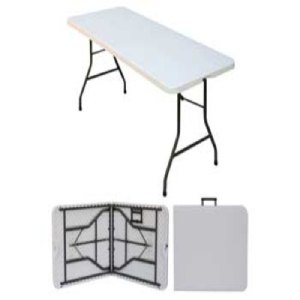
Plastic Rectangular Tables
R699.00 -
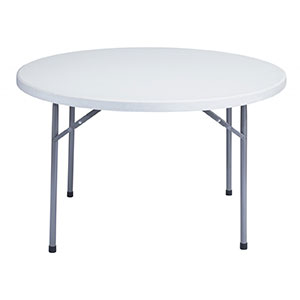
Plastic Round Tables
R1,850.00