Tent Deals
What Makes a Tent Deal Actually Good?
A good tent deal is a fair price for a tent that does what you need it to do, for as long as you need it. Discounts and sale labels are only part of that. Plenty of tents are marked down because they’re poorly made, and plenty of well-made tents are sold at an honest price with no sale sticker at all.
Before you compare tents deals for sale, it helps to know how to judge value. The three ideas below will save you from the most common traps.
Price Is Only Half the Story
The price tag tells you what you pay today. It doesn’t tell you how many trips the tent will last, how comfortable it will feel or whether you’ll need to replace it next summer. A tent used twenty times over ten years costs far less per night than one that falls apart after three trips.
When you see a low price, ask what has been saved. Thinner fabric, flimsy poles and weak stitching are the usual answers. If the tent is cheap because those corners were cut, the deal is smaller than it looks.
Cheap Versus Good Value
Cheap means the lowest price. Good value means the most use and comfort for each pound, dollar or rupee spent. They sometimes overlap, but often they don’t. A mid-priced tent with strong fabric and sturdy poles will usually beat a bargain-bin option over the long run.
Think about how often you’ll camp. If you go once a year in settled weather, a simple tent at a low price may be perfect. If you camp regularly, host guests or want a tent that stays up all season, spending more at the start is usually the smarter deal.
Red Flags to Watch For
Be cautious when a listing hides basic details. If you can’t find the floor size, fabric type or packed weight, treat that as a warning. Honest sellers list the numbers because they have nothing to hide.
Also be careful with huge claims, like a tent that “sleeps ten” at a tiny price. Sleeping capacity is usually the absolute maximum, with everyone lying side by side. If the numbers look too good, the real living space is probably much smaller than you’d hope.
Tents Deals for Sale by Type
Different tents suit different trips, and the best deal for you depends on how you camp. Here’s how value works across the main types, so you can look in the right place first.
Use this section to narrow your search before you start comparing prices. Matching the style to your plans is the quickest way to avoid paying for features you won’t use.
Canvas Tent Deals
Canvas tents cost more upfront than basic nylon tents, but they’re built for long service. Cotton canvas breathes, stays cooler in summer, keeps noise down in wind and rain, and can be patched if it gets damaged. For regular campers, that adds up to a lot of value over the years.
If you’re comparing canvas tent deals, look at fabric weight, poles and stitching rather than price alone. A well-made canvas tent at a fair price is often a better deal than a heavily discounted tent made from thinner material.
Why Canvas Deals Pay Off
Canvas tents are usually used for many seasons, which spreads the cost across far more nights than a short-lived tent. Because they hold up well, many owners keep the same tent for a decade or more.
They also look good and keep their appeal, which matters if you use your tent for glamping, guest stays or garden hosting. A tent that people enjoy staying in earns its price back.
What to Check on a Canvas Tent Deal
Check the fabric weight, whether the canvas is treated for water and mould resistance, and whether the floor is sewn in. These three details tell you more about quality than the price does.
Also look at pole material and packed weight. Canvas is heavy, so make sure the tent fits your car and that you’re comfortable lifting it. Browse our full range on the canvas tents for sale page to compare styles and sizes side by side.
Family Tent Deals
Family tents are all about space. Look for straight walls, good standing height and room for bags, bedding and a place to sit when it rains. Floor area matters more than the sleeping number on the box.
Deals on family tents are only worth it if the tent is easy to pitch and strong enough for real weather. A bargain that takes an hour to set up and flaps all night will spoil a trip. Choose comfort and sturdiness first, then look at the price.
Two-Person Tent Deals
Smaller tents are the easiest place to find good value. They use less fabric, pack down smaller and pitch quickly, so even quality models are often affordable. For couples and solo campers, a compact cottage-style tent gives you room to move without paying for space you won’t use.
A common mistake is buying the smallest possible tent to save money. If you’re a couple with bags and bedding, a slightly larger size often feels far more comfortable. A little extra floor space is one of the cheapest upgrades you can make.
Glamping and Event Tent Deals
Glamping tents and event shelters are bought for looks and comfort as much as shelter. Bell tents, large canvas tents and cottage-style tents all work well, and the best deals are the ones that stay attractive after a season of use.
If you’re buying for guests or customers, durability matters even more. A tent that fades or tears after a busy summer costs you in replacements and bad impressions. Pay for solid fabric and stitching, and it will look good for far longer.
When Is the Best Time to Buy a Tent?
Timing can make a real difference to what you pay, and to what’s available. Tents are seasonal products, so demand rises and falls through the year.
Knowing the rhythm helps you plan. You can often get a better tent for the same money by buying at the right moment.
Buy at the End of the Camping Season
When the camping season winds down in your region, shops and sellers often want to clear stock. That’s usually a good time to pick up tents deals for sale at lower prices, particularly on last season’s colours and styles.
The trade-off is choice. Popular sizes can sell out, so you may have to take what’s left. If you’re flexible on style, end-of-season is one of the best times to buy.
Buy Before the Rush
On the other hand, buying early in the year gives you the widest choice. You can pick the exact size and style you want, test-pitch it in the garden and fix any problems well before your first trip.
Early buyers also avoid last-minute stress. Tents bought a week before a holiday often arrive late or sell out. Planning ahead usually saves more than any sale.
Your Checklist Before Buying Any Tent
Good deals go bad when the tent doesn’t fit your plans. Run through this checklist before you order, and you’ll avoid the most common regrets.
It only takes a few minutes. Each point connects to how the tent feels and performs on a real trip.
Check the Real Floor Size
Floor size tells you more than the sleeping number. Measure the space you need for beds, bags and walking room, then compare it with the listed dimensions. If you’re between two sizes, go larger.
Remember that roofs slope. In some designs, the edges are too low to use, so the usable area is smaller than the floor size suggests. Straight-walled cottage tents waste the least space.
Look at the Fabric
Fabric decides how the tent handles sun, wind and rain. Cotton canvas breathes well and lasts for years. Lighter synthetic fabrics are easier to carry but wear faster and trap more moisture.
Neither is wrong, but they suit different campers. Choose based on how you travel and how often you camp, and don’t pay extra for a fabric you won’t benefit from.
Fabric Weight
Fabric weight is measured in grams per square metre (gsm). Higher numbers mean thicker, more durable material, though also more weight. Around 240 to 300 gsm suits lighter use, and 320 to 400 gsm suits frequent use and changeable weather.
If a listing doesn’t tell you the weight, it’s harder to judge the deal. Clear numbers are a good sign of an honest seller.
Treatment and Finish
Check whether the fabric is treated for water and mould resistance. Treatment extends the life of the tent, especially if you camp in damp climates.
A treated tent at a fair price often beats an untreated one at a slightly lower price. The extra protection pays for itself in fewer problems.
Check the Groundsheet
A sewn-in groundsheet keeps out bugs, draughts and damp, and makes the tent feel like a proper room. Floorless tents are easier to air out and can suit different ground, but you’ll need to buy a groundsheet separately.
Count that extra cost when you compare deals. A cheaper floorless tent can end up costing the same as one with a floor once you add it.
Check Weight and Packed Size
A tent that’s a bargain but won’t fit in your car isn’t a bargain. Check the packed dimensions and weight, and think about how you’ll carry it from the car to the pitch.
Canvas tents are heavier than nylon, which is fine for car camping but not for hiking. Be honest about how you travel before you commit.
Common Mistakes When Buying Tent Deals
Even experienced campers make buying mistakes. Most of them come from rushing, so slowing down for a few minutes is the best protection.
These are the errors we see most often, and how to avoid them.
Buying Only on Price
A low price is tempting, but it shouldn’t be the only thing you check. Compare fabric, floor size, poles and stitching too. If two tents look similar but one costs far less, find out why.
The answer is often in the details. A slightly higher price can mean far better materials and a much longer life.
Ignoring the Reviews and Photos
Real photos and honest reviews show how a tent looks and performs outside a studio. Look for pictures of the tent pitched in a real field and comments about how it handled weather.
If a product has no photos beyond a single stock image, be cautious. Clear, detailed listings usually come from sellers who stand behind what they sell.
Skipping the Test Pitch
Pitch your tent at home before you travel. You’ll learn how it goes up, spot any missing parts and make sure it fits the space you have in mind.
It also lets you season canvas properly. Soak the tent with a hose, let it dry and you’ll be ready for real weather, with no surprises on your first night.
How to Care for Your Tent So the Deal Lasts
A tent bought at a good price is only a good deal if it lasts. Simple habits protect your investment and keep the tent looking and performing well.
Here’s what matters most.
Always Dry It Before Packing
Packing a damp tent is the fastest way to get mould, especially with canvas. If you have to pack up wet, pitch the tent again at home and let it dry completely before you store it.
A few extra minutes of drying can add years to the life of the tent. It’s the best free upgrade you can give it.
Store It Properly
Keep your tent loosely folded in a cool, dry, ventilated place. Avoid damp sheds, garages and sealed plastic boxes where moisture can build up.
Good storage prevents mould, protects stitching and keeps the fabric strong. A little thought here pays off every season.
Clean Gently
Brush off dry dirt with a soft brush. For marks, use clean water and light scrubbing. Avoid harsh detergents, which can strip waterproofing and damage fabric.
If something stubborn gets onto the tent, deal with it gently and early. Small stains are easy to fix, but harsh treatment can cause lasting damage.
Frequently Asked Questions
These are the questions shoppers ask most about tent deals. If you have another, get in touch and we’ll be glad to help.
Q1. How do I know if a tent deal is genuine?
Look at the full specifications. A genuine deal comes with clear details about size, fabric, poles, floor and weight. If a listing is vague, or the price seems far too low for what’s described, take extra care.
Compare the tent with similar models and check what you’d lose at the lower price. A real deal gives you good quality at a fair price, not just a big discount.
Q2. Are cheap tents worth buying?
Sometimes. If you camp once a year in settled weather, a simple, affordable tent can do the job. If you camp often or in changeable conditions, a sturdier tent usually saves money in the long run.
Think about cost per trip, not just the price tag. A tent used for many seasons is cheaper per night than one replaced every year.
Q3. Are canvas tents worth the extra cost?
For regular campers, yes. Canvas breathes, handles weather well and can last for many years with proper care. It also looks better and can be repaired if damaged.
If you only camp occasionally and carry your tent far, a lighter fabric may suit you better. Match the tent to how you travel.
Q4. What size tent should I buy?
Choose a size larger than the sleeping number suggests. Add space for bags, bedding and moving around. A tent listed for two works best for two people with a small amount of gear.
If you’ll spend time inside during bad weather, extra room makes a big difference. It’s the cheapest comfort upgrade there is.
Q5. Can I use a tent deal for glamping or events?
Yes, as long as the tent is sturdy and looks the part. Canvas bell tents and cottage tents are popular for glamping and hosting because they feel welcoming and handle regular use well.
For events, pay attention to size and fabric strength. A tent that looks good and lasts a busy season is the best deal for hosts.
Q6. Where can I see the current price and availability?
Every tent on our listing pages shows its current price and stock status. Click through to a product page to see the full specification, photos and options before you order.
If you’d like a recommendation, message us with your group size and the kind of trips you take, and we’ll point you to a suitable tent.
Ready to Find Your Tent Deal?
The best tent deal is the one that fits your plans, your budget and your idea of a good night’s sleep. Now that you know what to look for, you can compare tents with confidence and spot a real bargain when you see one.
Browse the tents above, check the specifications and choose the one that suits how you camp. If you’re drawn to long-lasting fabric and a classic look, explore our full range of canvas tents for sale for more styles and sizes.
Showing all 3 results
-

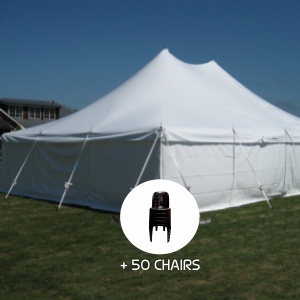
5m × 10m Tent + 50 Chairs
R16,250.00 -
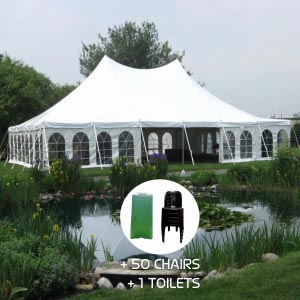
5m × 10m Tent + 50 Chairs + 1 Toilet
R24,249.00 -
7m × 12m Tent + 50 Chairs + 1 Toilet
R28,749.00