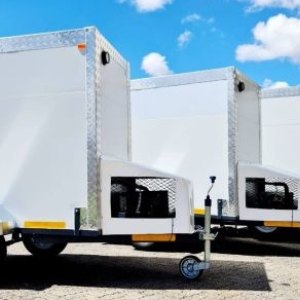
Mobile Chillers
Why Buy a Mobile Chiller or Mobile Freezer?
Cold storage used to mean a fixed room built into a building. That still works for some businesses, but plenty of people need refrigeration that can move, scale up for a busy season or be set up in a day. A mobile chiller or mobile freezer solves that problem without building work, planning headaches or long lead times.
If you’re deciding between hiring, buying or building a fixed cold room, the points below explain why so many buyers choose a mobile unit for the long term.
Cold Storage That Goes Where You Need It
A mobile unit sits where the stock is. You can place it beside a catering kitchen, next to a market stall, behind a venue or on a farm track, and move it later if your needs change. There is no need to alter a building or commit to one location for years.
That flexibility is valuable if you run seasonal operations, travel between sites or are still deciding where your permanent cold storage should go.
Fast Setup, Fewer Complications
Most mobile chillers and freezers arrive ready to use. Once the unit is in position and connected to a suitable power supply, it cools down and you can start loading stock. There is no construction phase and no need to wait for a contractor.
For businesses that need cold space quickly, such as an events company with a booking next week, this speed is often the deciding factor.
A Smart Way to Add Capacity
Many food businesses outgrow their cold storage before they can afford a bigger premises. A mobile chiller or freezer adds capacity right away and can be added alongside your existing equipment.
It also gives you a backup. If a fixed fridge fails or a delivery arrives early, an extra unit means your stock stays safe.
Strong Value Over Time
Buying a mobile unit costs more upfront than hiring for a weekend, but if you need cold storage regularly, ownership usually works out cheaper across a year or two. You control when the unit is available, and you aren’t paying rental fees during quiet periods.
A well-kept mobile chiller or freezer also holds its value, because there is steady demand for good used refrigeration.
Mobile Chiller vs Mobile Freezer: Understanding the Difference
People often search for mobile chiller and mobile freezer for sale as if they were one product, but they do different jobs. Choosing the wrong one can spoil stock or waste money, so it’s worth understanding what each is designed for.
The short version is that chillers keep things cold and fresh, while freezers keep things frozen solid. Here is how that plays out in practice.
What a Mobile Chiller Does
A mobile chiller holds a low, above-freezing temperature, typically in the range of 0°C to 5°C. This is the right environment for fresh produce, dairy, drinks, prepared meals, fresh meat and fish for short periods, and flowers.
Because the air stays cold but not frozen, items remain fresh and ready to use. Chillers are the usual choice for catering, events and day-to-day food storage.
What a Mobile Freezer Does
A mobile freezer runs much colder, usually around minus 18°C to minus 25°C, and some models go lower. This temperature is needed for frozen meat, ice cream, frozen vegetables, ready meals and ice.
If you need to store goods for weeks or months, or hold stock that must stay solid, a freezer is the correct tool.
Can One Unit Do Both?
Some mobile units are built with a split or adjustable setup so you can run chilled and frozen storage from the same footprint. Others are single-temperature only.
Check each listing for the temperature range before you order, and contact us if you want a unit that suits mixed stock.
Which Do Most Buyers Choose?
Event caterers and drinks suppliers usually start with a chiller. Food distributors, butchers, ice cream sellers and larger caterers often need a freezer, or one of each.
If you’re not sure, think about the temperature your products need and how long they will stay in storage.
Types of Mobile Chiller and Freezer Units for Sale
Mobile cold storage comes in a few main formats. Each has its own strengths, depending on how far you need to move it, how much stock you hold and where it will sit.
Here is a plain guide to the main types you’ll find in our range.
Mobile Cold Rooms and Container Units
These are insulated, walk-in units with a built-in cooling system. You step inside, shelve stock on racks and work much as you would in a fixed cold room. They are usually sized to fit a standard footprint, so they are easy to place on level ground.
They are a strong choice for businesses that need a lot of space, such as wholesalers, farms and large caterers.
Best Uses for Mobile Cold Rooms
Bulk food storage, seasonal stock, event supply and temporary storage while a building is being refurbished.
They also work well for farm produce and for businesses that need to keep a steady stock of chilled or frozen goods on site.
Refrigerated Trailers
A refrigerated trailer is a towable unit with its own cooling system. You can pull it to different locations, which makes it popular for festivals, markets, outdoor events and sites that change often.
Trailers offer a good balance of capacity and mobility, and they suit businesses that need cold storage to travel with them.
Things to Check Before Buying a Trailer
Confirm your towing vehicle is suitable, check the trailer’s weight and think about where you’ll park it. Also consider the power supply at your usual sites, since the unit needs to be connected to run.
We can help you check these points before you order.
Compact Mobile Chiller and Freezer Units
Smaller units suit stalls, small events, food trucks and businesses that need a modest amount of cold storage. They are easier to position, simpler to power and quicker to set up.
If you don’t need walk-in space, a compact unit is often the most cost-effective way to add reliable refrigeration.
How to Choose the Right Mobile Chiller or Freezer
Picking the right unit comes down to a few straightforward questions. If you answer them honestly, the choice usually becomes clear, and you avoid paying for space you don’t need or running out of room too soon.
Use the checklist below before you request a quote.
Work Out Your Storage Volume
Estimate how much stock you need to hold at peak times, not on an average day. A unit that is full on every busy weekend is too small, even if it looks fine midweek.
If you’re between two sizes, the larger one is usually the better choice, because cold units work best with some airflow around the stock.
Match the Temperature to Your Products
List what you store and the temperature each item needs. Fresh and chilled goods belong in a chiller, while frozen goods need a freezer.
Mixing the two in one unit rarely works well unless it is designed for both, so plan your storage by temperature first.
Think About Where It Will Sit
Mobile units need a firm, level surface and enough space around them for airflow and door access. Check the ground, the clearance and how deliveries will reach the unit.
If you’ll move it often, think about access routes and any restrictions at your usual sites.
Check Your Power Supply
Mobile chillers and freezers need a suitable electrical connection to run properly. Confirm the power requirements listed for each unit and make sure your site can provide them.
If your location has no mains supply, ask us about options that suit off-grid use.
Planning for Power Cuts
Cold storage is only as reliable as its power. For valuable stock, consider a backup plan such as a generator, so a short outage doesn’t put your goods at risk.
Talk to us if you’d like advice on setting this up.
Who Uses Mobile Chillers and Freezers?
Mobile cold storage is useful in more places than most people expect. The common thread is a need for reliable refrigeration that can be set up quickly and doesn’t depend on a fixed building.
Here are the main groups of buyers and what they use their units for.
Caterers and Event Companies
Weddings, festivals, corporate events and private parties all create short bursts of demand for cold space. A mobile chiller keeps drinks, desserts, salads and prepared food at the right temperature on site.
Owning a unit means you can accept bigger bookings without relying on the venue’s facilities.
Food Producers and Distributors
Small producers and wholesalers use mobile freezers and chillers to hold stock between production and delivery. The units are easy to add to a yard or loading area and can scale as the business grows.
They also help when a delivery arrives outside normal hours and the main storage is already full.
Farms, Markets and Growers
Fresh produce loses quality quickly if it isn’t cooled soon after harvest. A mobile chiller on the farm or at a market stall keeps fruit, vegetables and flowers fresher for longer.
That means less waste and better quality for your customers.
Hospitality, Retail and Construction Sites
Restaurants, supermarkets and shops use mobile units during refits, kitchen repairs or busy seasonal trading. Construction sites and film crews use them to keep catering supplies cold in remote locations.
In every case, the appeal is the same: reliable cold storage without permanent building work.
Looking After Your Mobile Chiller or Freezer
A mobile refrigeration unit is a serious piece of equipment, and a little regular care keeps it running well for years. Most problems come from small things being missed, not from the unit itself.
These simple habits help protect both your equipment and your stock.
Keep It Clean
Wipe down the interior regularly and clear any spills straight away. Clean surfaces help prevent odours, bacteria and damage to shelving or flooring.
Check door seals too, since a dirty or damaged seal lets warm air in and makes the system work harder.
Don’t Overload It
Stock needs space for air to move. If a unit is packed tightly, parts of it will cool unevenly, and the cooling system has to work harder to keep up.
Leave gaps around items and keep stock away from the fan and air vents.
Monitor the Temperature
Check the temperature display each day, or use a separate thermometer for extra peace of mind. If the reading drifts, deal with it quickly, before your stock is affected.
Keeping a simple temperature log is good practice, especially for food businesses that need to show safe storage.
Schedule Regular Servicing
Cooling systems benefit from routine checks, including the condenser, fans and refrigerant levels. A short service each year is far cheaper than an emergency repair during your busiest week.
We can point you to the right maintenance approach for the unit you choose.
Why Buy a Mobile Chiller and Mobile Freezer From Us
Choosing a supplier matters as much as choosing the unit. You want clear information, honest advice and a team that understands how you’ll actually use the equipment.
Here is what you can expect when you buy from us.
Clear Product Information
Every listing explains the unit’s size, temperature range and intended use in plain language. We don’t hide the details that matter, and we’d rather you choose the right unit first time.
If something isn’t clear, ask us and we’ll explain it.
Advice Based on Your Real Needs
We start with what you store, how much, where it will sit and how often you’ll move it. From there we can suggest a size and type that fits, rather than pushing the biggest or most expensive option.
That approach saves money and avoids the frustration of buying a unit that doesn’t suit the job.
Straightforward Quotes and Support
Prices vary with size, specification and delivery location, so we give a clear quote once we know what you need. Get in touch with your requirements and we’ll talk you through your options.
Our team is also available if you have questions about setup, power or day-to-day use after you buy.
Frequently Asked Questions
These are the questions we hear most from buyers. If yours isn’t here, contact us and we’ll answer it.
Q1. What is the difference between a mobile chiller and a mobile freezer?
A mobile chiller keeps goods cold at temperatures just above freezing, which suits fresh and chilled products. A mobile freezer runs far colder to keep goods frozen solid.
Choose based on what you store. Fresh food needs a chiller, and frozen stock needs a freezer.
Q2. What temperature does a mobile chiller hold?
Most mobile chillers hold between roughly 0°C and 5°C, which is the standard range for chilled food and drinks.
The exact range can vary by model, so check the listing for the unit you’re considering.
Q3. What temperature does a mobile freezer hold?
Mobile freezers typically run around minus 18°C to minus 25°C, which is the usual range for frozen food storage.
Some models can go lower. Check the specification if you have special requirements.
Q4. Do mobile chillers and freezers need mains power?
Yes, they need a suitable electrical supply to run the cooling system. Check the power requirements listed for the unit and confirm your site can support them.
If your location has no mains supply, talk to us about generator options.
Q5. How long does it take to cool down after setup?
Cool-down time depends on the unit’s size, the outside temperature and whether you load stock before it reaches temperature. It’s best to let the unit reach its set temperature before adding goods.
Pre-cooling the unit also helps it hold temperature more steadily once stocked.
Q6. Can I move a mobile unit between sites?
Yes, that is the main point of a mobile unit. Trailers can be towed, and container-style units can be repositioned with suitable transport.
Plan the route and the new site’s access and power in advance so setup is smooth.
Q7. re mobile chillers and freezers suitable for long-term use?
Yes. Many businesses use mobile units as permanent cold storage rather than temporary solutions. With regular cleaning and servicing, they provide dependable service for years.
If you need long-term storage, choose a unit built for continuous use and keep up with maintenance.
Q8. How do I get a quote?
Send us your storage needs, including what you store, how much and where the unit will sit. We’ll recommend a suitable model and give you a clear quote.
You can browse the range above and contact us at any point if you’d like help.
Ready to Buy a Mobile Chiller or Freezer?
Browse our mobile chiller and mobile freezer range above, compare sizes and temperatures and pick the unit that suits your stock. Every listing is there to help you decide with confidence.
If you’d like advice first, tell us what you store and where you work, and we’ll point you to the right unit. Cold storage should make your business easier, and we’re here to help you get it right.
Showing all 2 results
-

Mobile Chillers
R45,000.00 -
Mobile Freezers
R49,500.00